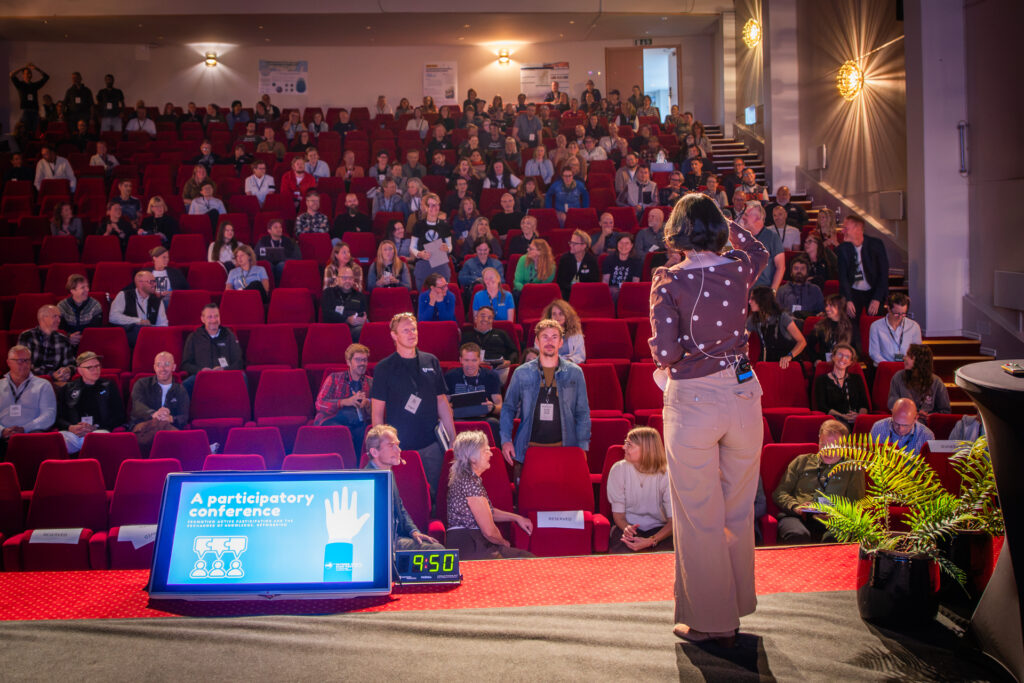

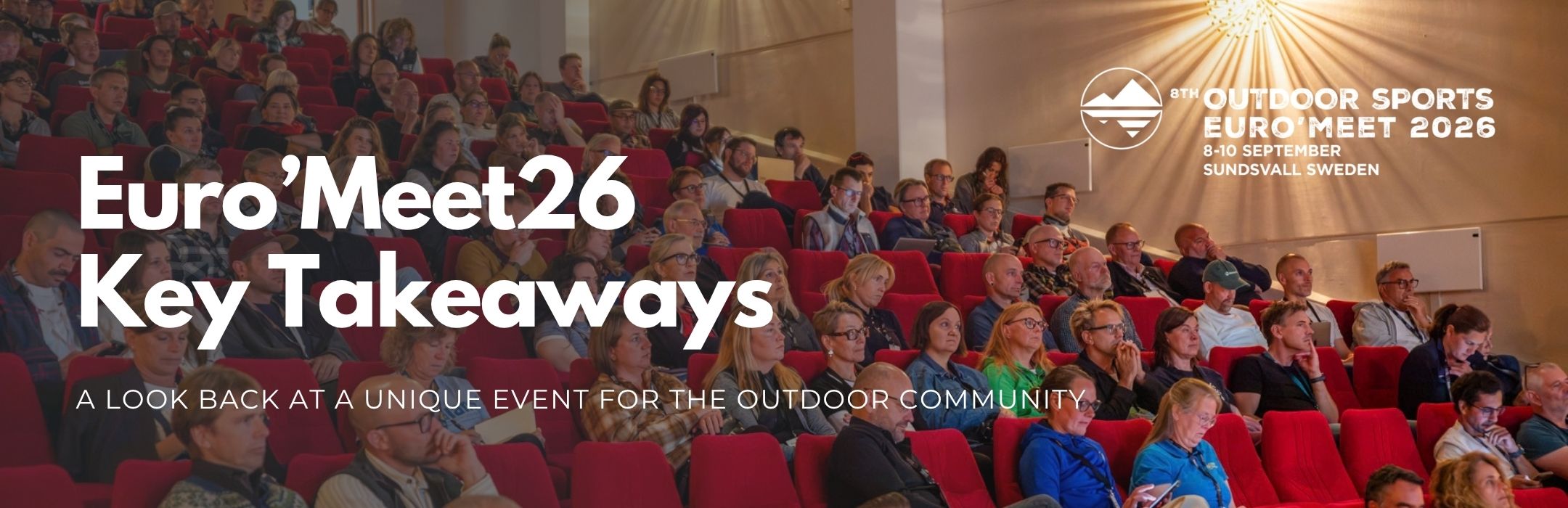
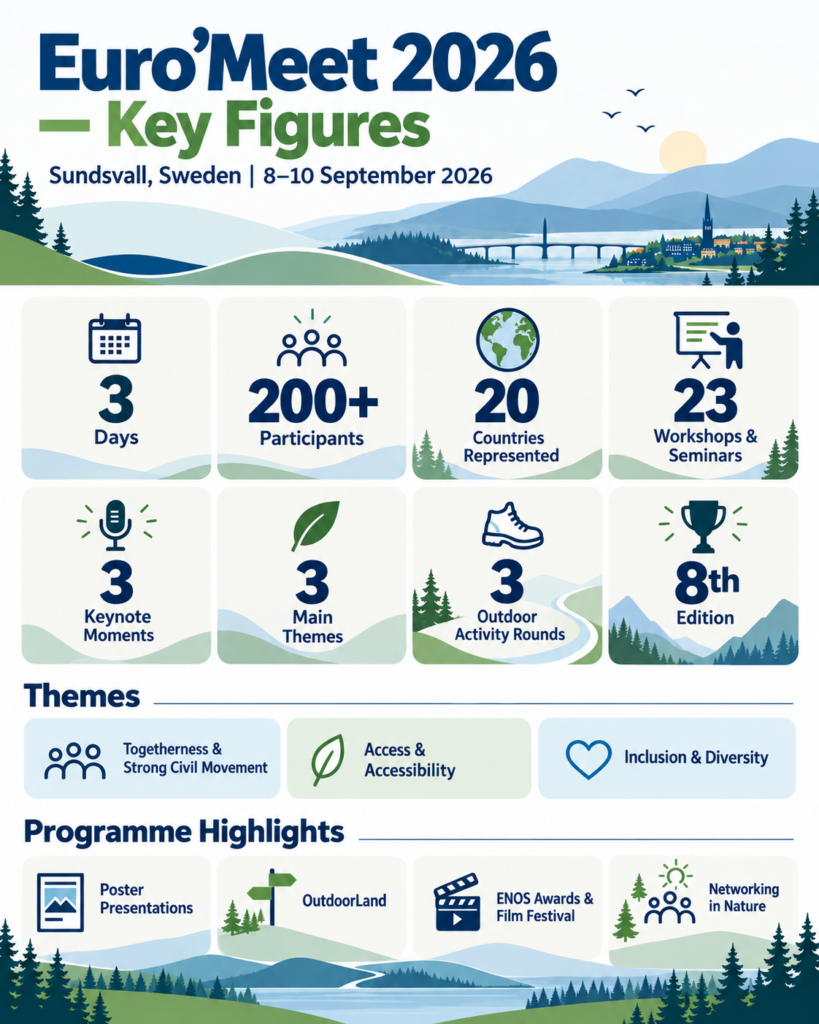
From 8–10 September, Sundsvall became the meeting point of the European outdoor community as Euro’Meet 2026 brought together more than 200 participants from around 20 countries for three days of exchange, inspiration, learning and outdoor experiences. Researchers, public authorities, outdoor organisations, practitioners, project leaders and professionals gathered in Sundsvall to discuss some of the most important questions shaping the future of outdoor sports and recreation in Europe.
Hosted for the first time in Sweden, this eighth edition of Euro’Meet was organised by ENOS – European Network of Outdoor Sports and Recreation and Svenskt Friluftsliv, together with Sundsvall Municipality, the County Administrative Board of Västernorrland and Mid Sweden University. Over three packed days, Euro’Meet once again demonstrated the value of creating a European space where policy, research and practice can meet — not only inside conference rooms, but through shared experiences in nature.
Benjamin Billet, ENOS Chairman
“We are living in a time of uncertainty. We don’t know exactly what lies ahead of us. But perhaps that is precisely why we need each other more than ever. We need to rebuild our capacity to work together – across sectors, across countries, across differences – and we need to reconnect with the places we live in and with nature itself.”
A European meeting point for the outdoor sector
Euro’Meet is built around a simple idea: bringing together the people who are actively shaping outdoor sports and recreation across Europe.
The diversity of the participants was one of the strengths of the 2026 edition. Representatives of outdoor organisations, universities, public administrations, local and regional authorities, European projects and practitioners brought different perspectives to the same conversations.
Throughout the conference, discussions were structured around three major themes: Togetherness and a Strong Outdoor Movement; Access and Accessibility; and Inclusion and Diversity. Sustainability, climate change, public health, nature conservation, outdoor education and the development of stronger outdoor communities were also present throughout the programme.
Rather than approaching these topics separately, Euro’Meet encouraged participants to explore how they intersect and how stronger collaboration between sectors can translate ideas into practical action.
Inspiration from outstanding voices
Keynote sessions provided moments to step back from individual projects and consider some of the wider questions facing the European outdoor sector.
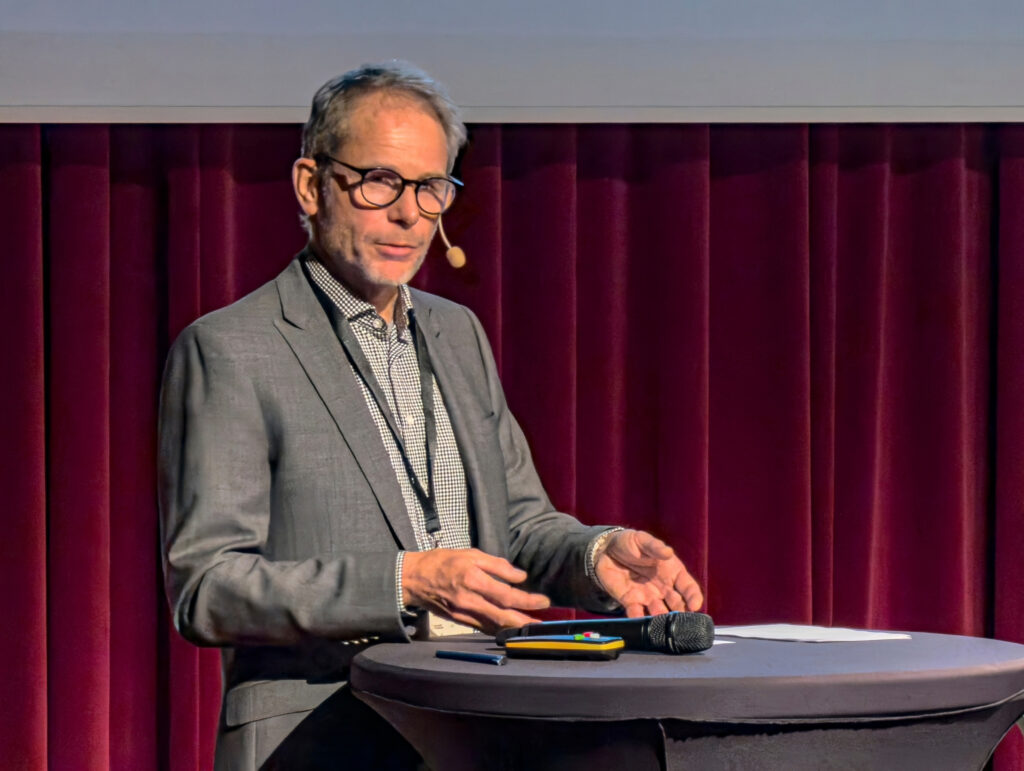
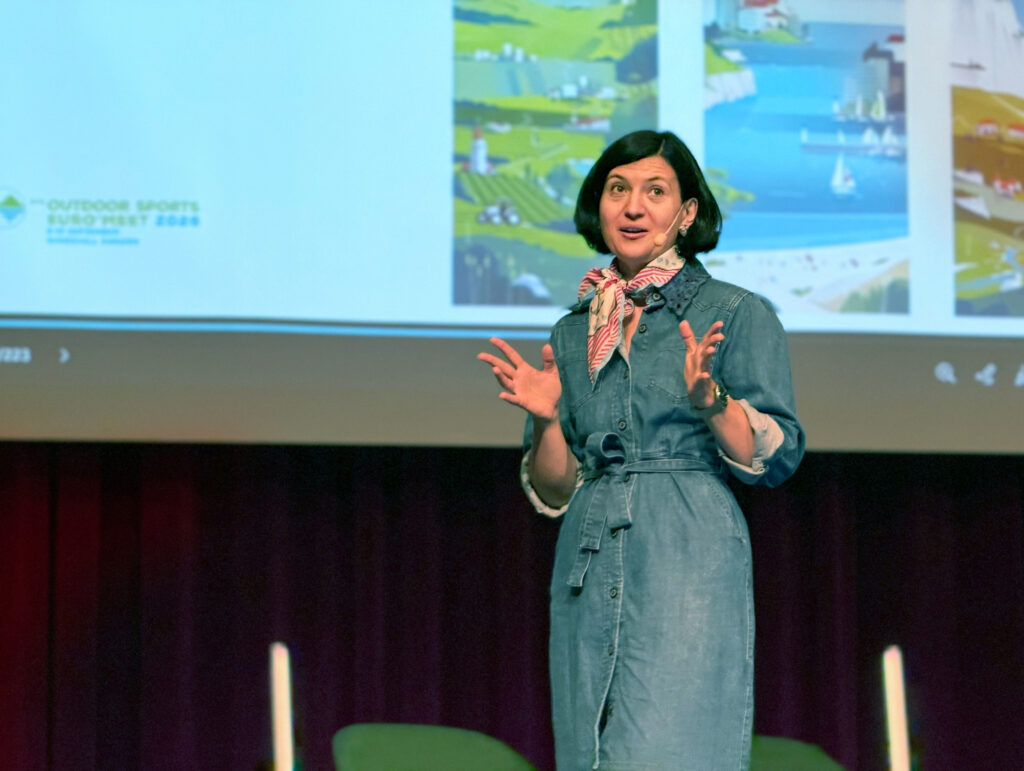
Professor Peter Fredman of Mid Sweden University opened the keynote programme with The Air is Free: Living Outdoor Sports the Nordic Way, introducing participants to the Nordic perspective on outdoor recreation and its relationship with society, culture and access to nature.
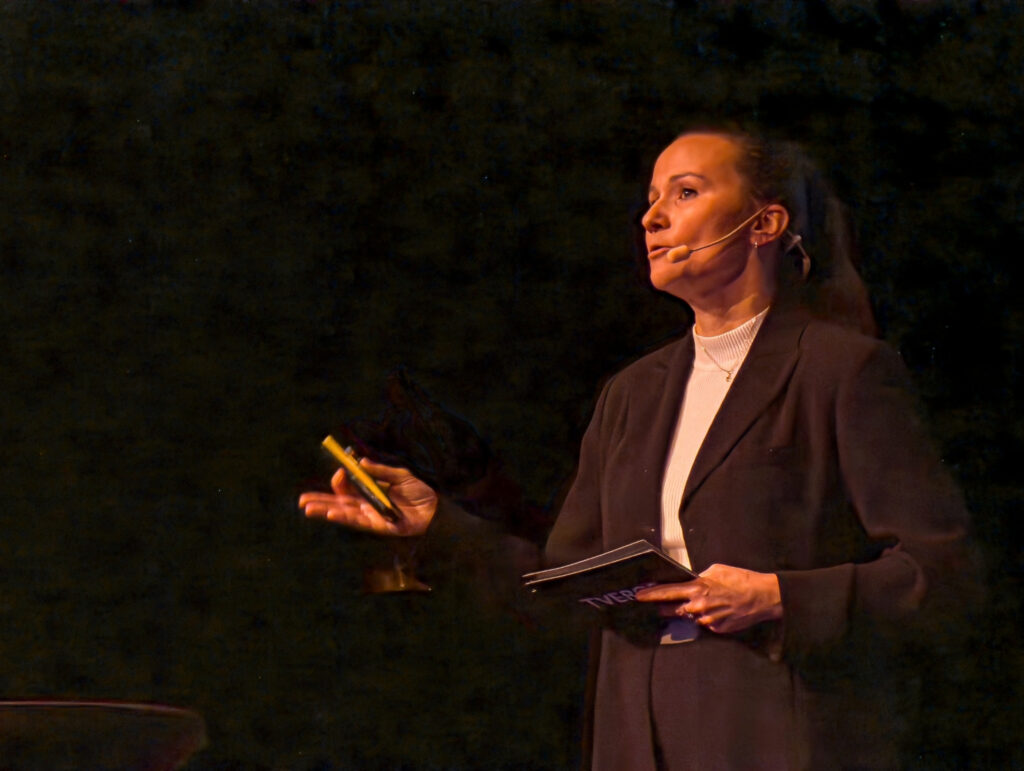
On the second day, Lisa Mari Watson, Managing Director of Tverga in Norway, explored Everyday places, self-organised activity and the conditions for active lives, placing everyday environments and opportunities for physical activity at the heart of the conversation.
The final day looked towards the future through Outdoor 2040: A Shared Agenda for People, Nature and Health, bringing together perspectives including Professor Julia Leventon and Professor Fiona Spotswood and asking which relationships and approaches should guide future outdoor recreation strategies.
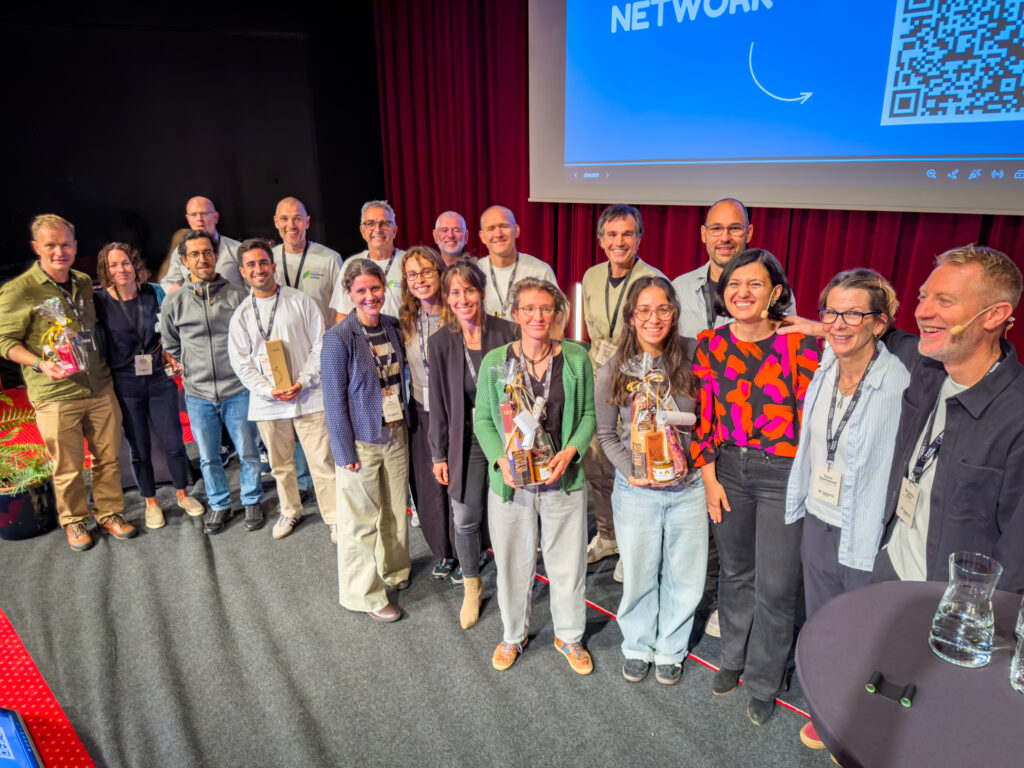
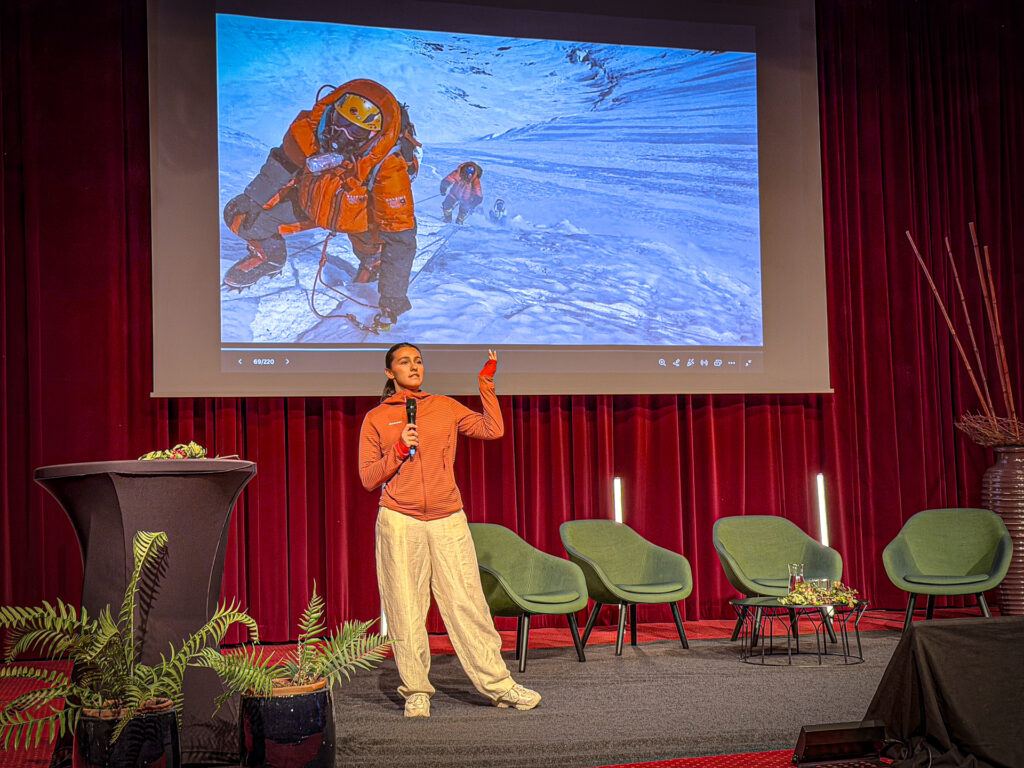
Beyond the formal keynotes, one of the most memorable personal stories came during the ENOS Awards and Film Festival, where mountaineer, entrepreneur and motivational speaker Mrika Nikçi shared her experience and journey through the Seven Summits.
How can we support participation without programming away the freedom that makes it meaningful?
Lisa Mari Watson, Tverga Managing Director
From ideas to discussion: workshops, research and projects
The strength of Euro’Meet also came from the diversity of its workshops and seminars.
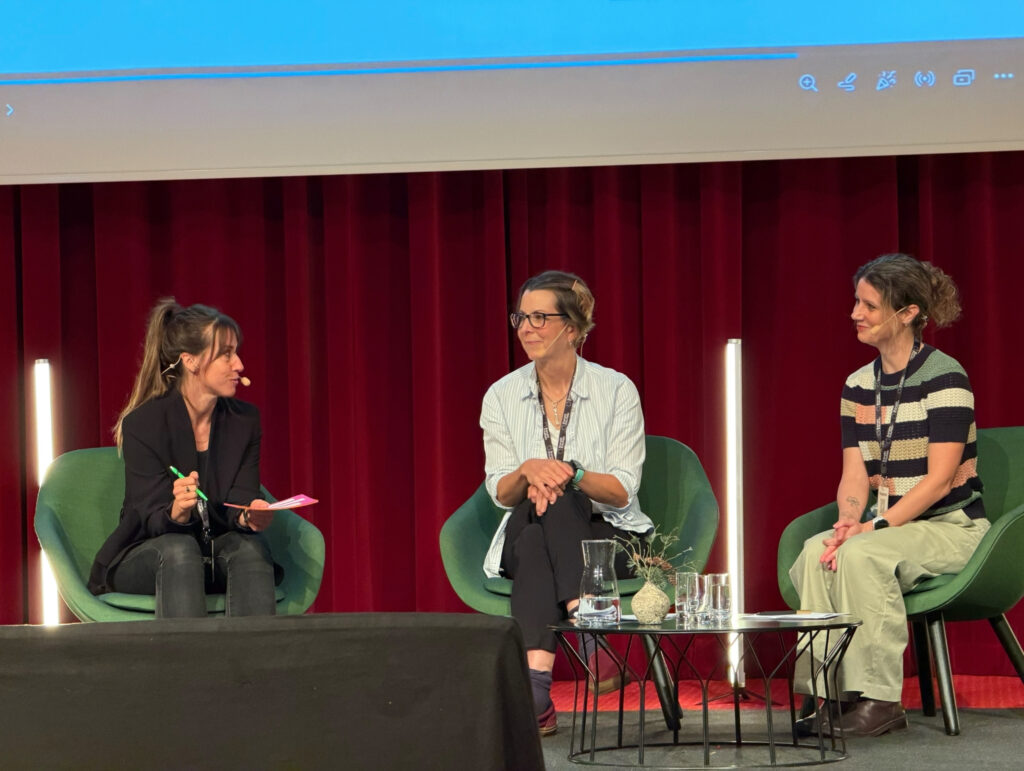
Across four rounds of parallel sessions, participants explored topics ranging from climate action, sustainable access to nature and outdoor education to regenerative marine sports, accessibility for people with disabilities, gender inclusion, trail policy, sustainable events and the relationship between nature protection and outdoor recreation.
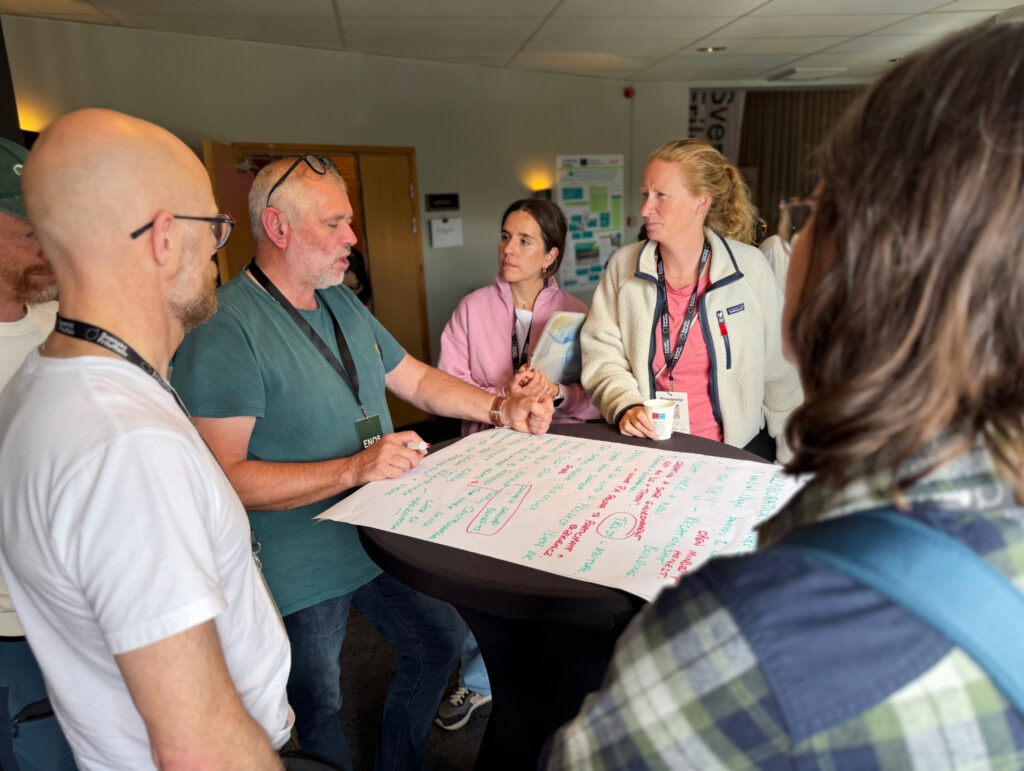
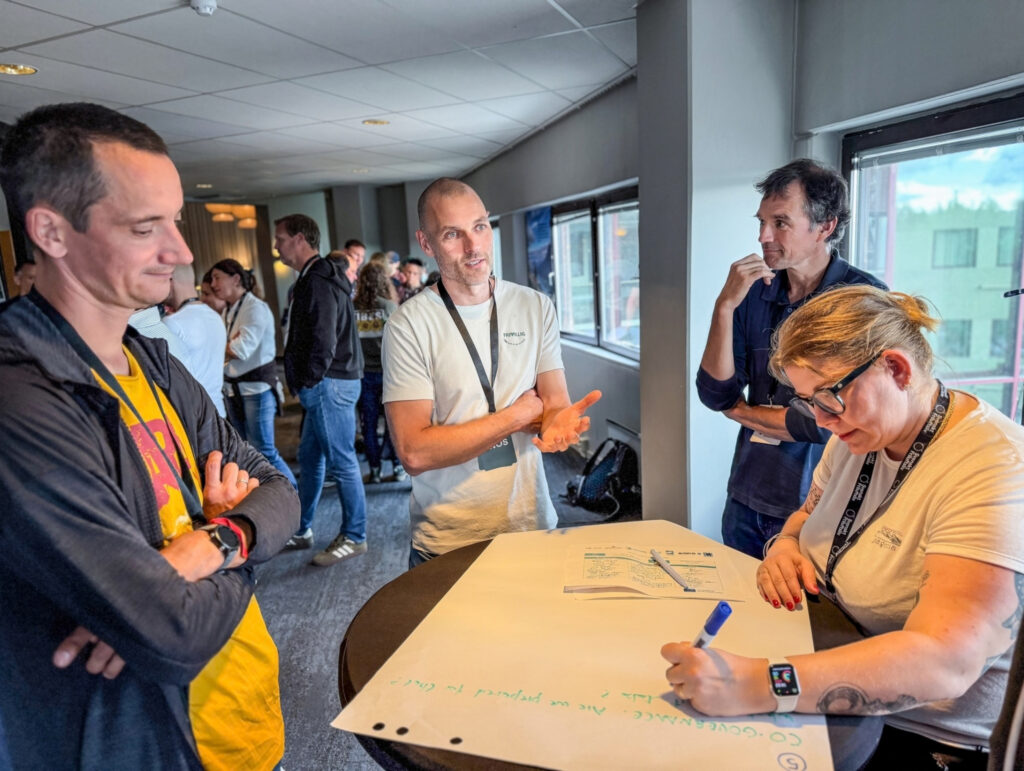
Projects and initiatives from across Europe were able to move beyond traditional presentations and involve participants directly in discussions, exercises and practical exchanges. Sessions such as Belonging without Barriers, The Test Patrol, ReSea – Regenerative Marine Outdoor Sports, the CONNECT Project workshop and the joint ROUTES/ENOS Expert Group session on European trail policy demonstrated the breadth of challenges currently being addressed across the sector.
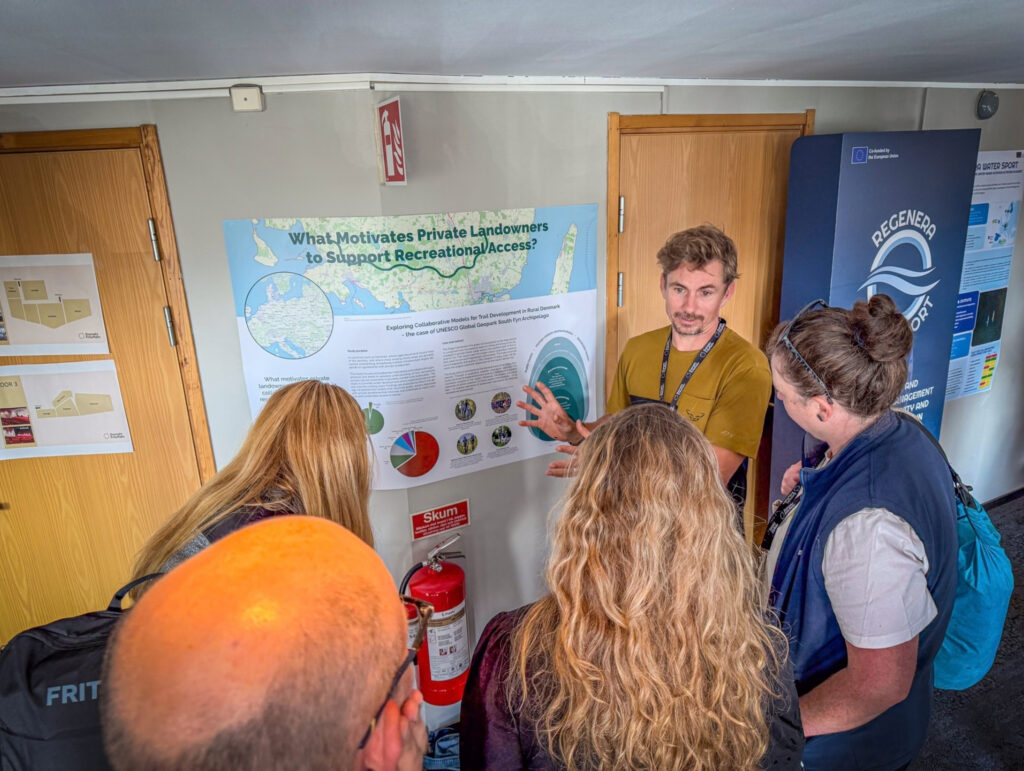
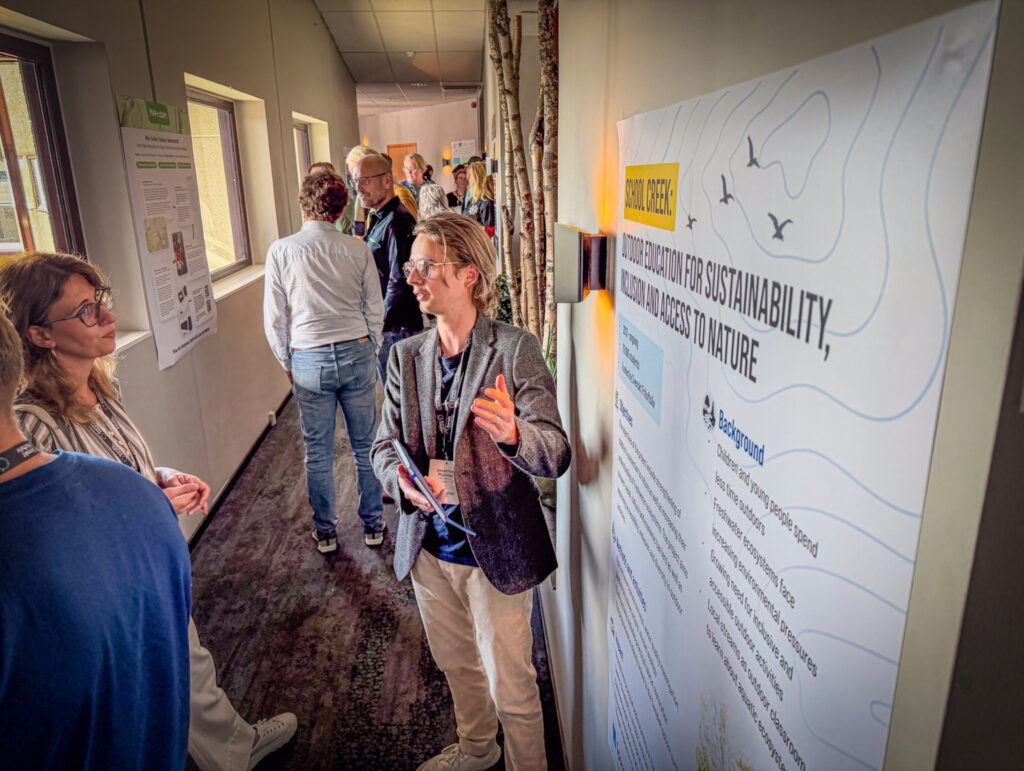
The poster presentations complemented these discussions by creating a dedicated space for research, emerging initiatives and new ideas. Researchers and practitioners were able to present their work in an informal setting, encouraging conversations and connections that continued well beyond the sessions themselves.
OutdoorLand: imagining the future together
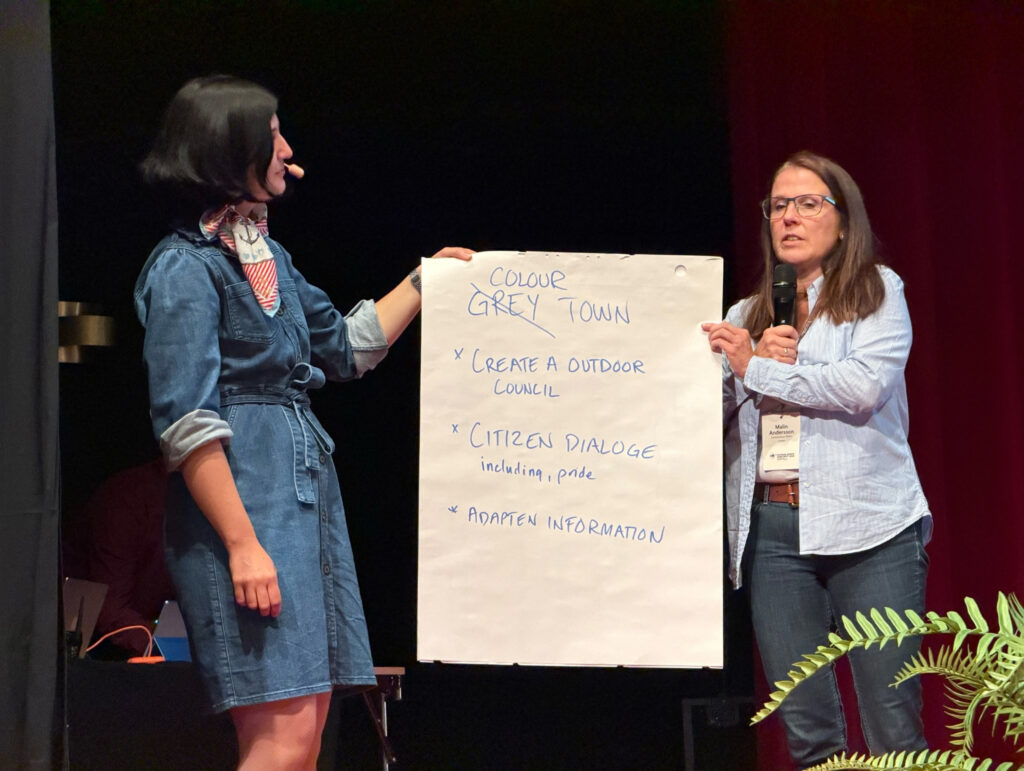
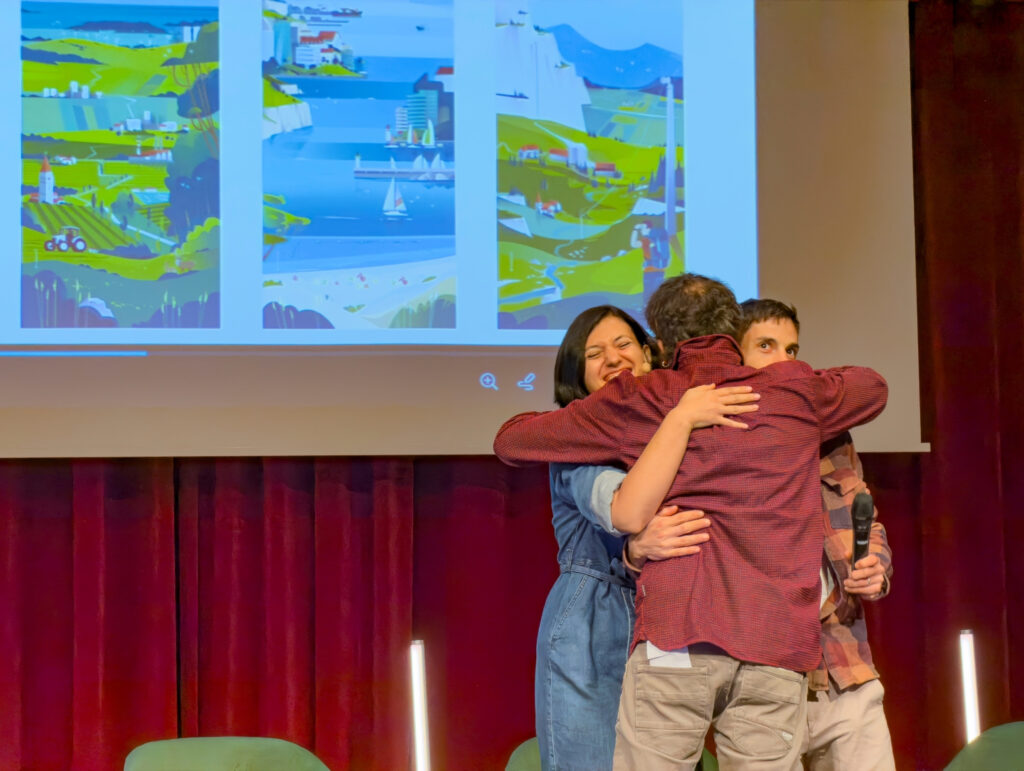
One of the distinctive moments of Euro’Meet 2026 was OutdoorLand, a large-scale interactive role-play involving participants in collectively exploring how outdoor sports and recreation can contribute to local transitions while respecting ecological limits, social inclusion and territorial realities.
Instead of simply discussing these questions, participants were asked to negotiate different needs, perspectives and priorities — reflecting many of the real challenges encountered when outdoor recreation, environmental protection, communities, tourism, infrastructure and public policy come together.
A conference that actually went outdoors
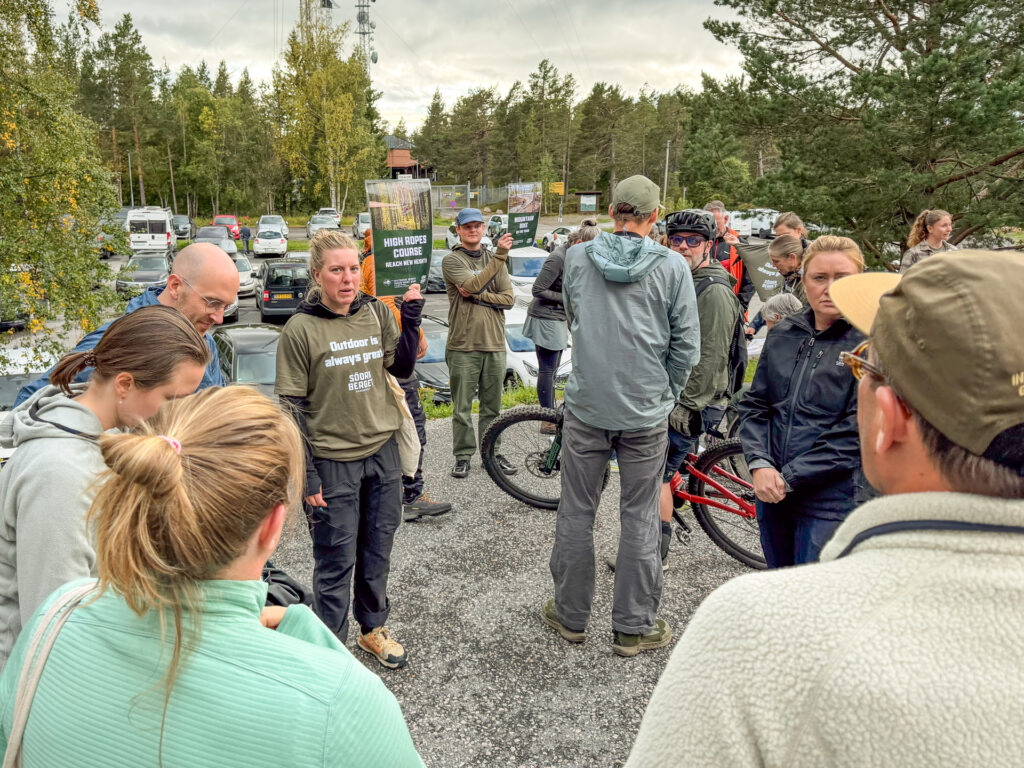
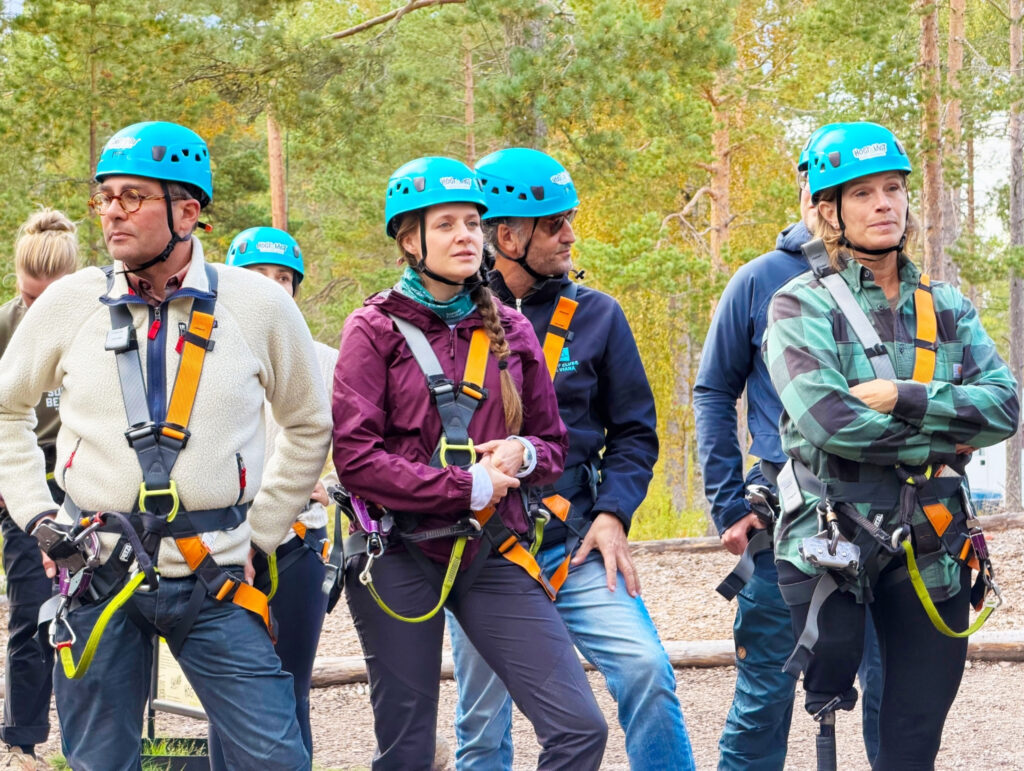
Euro’Meet would not be Euro’Meet without experiencing the outdoors.
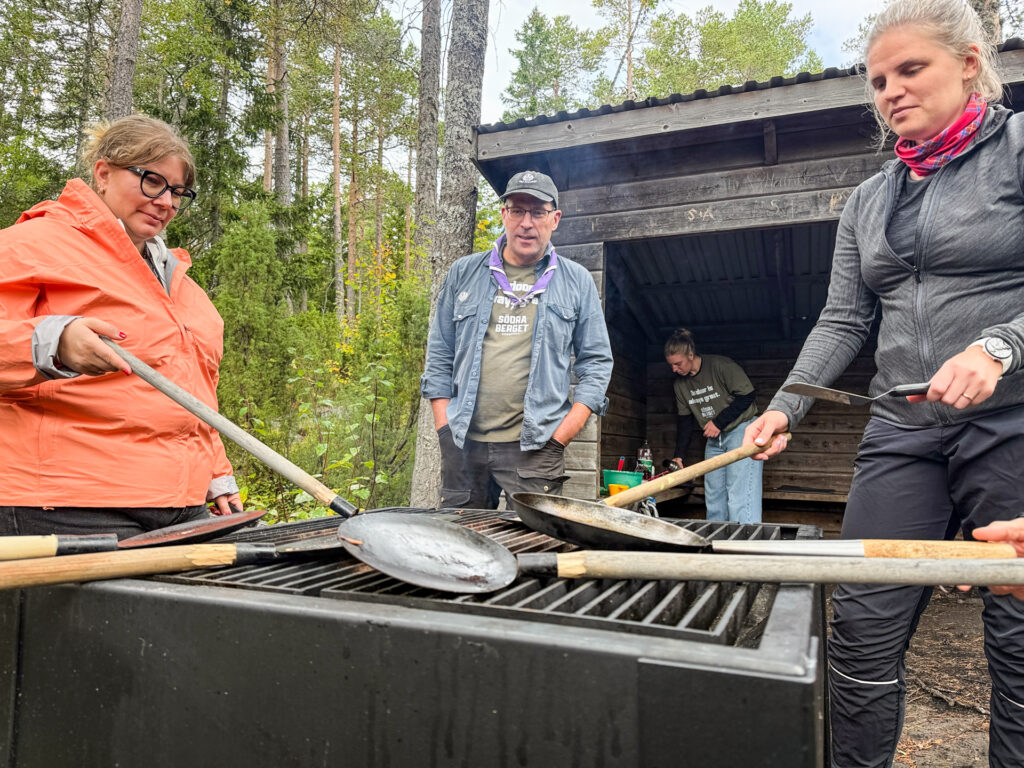
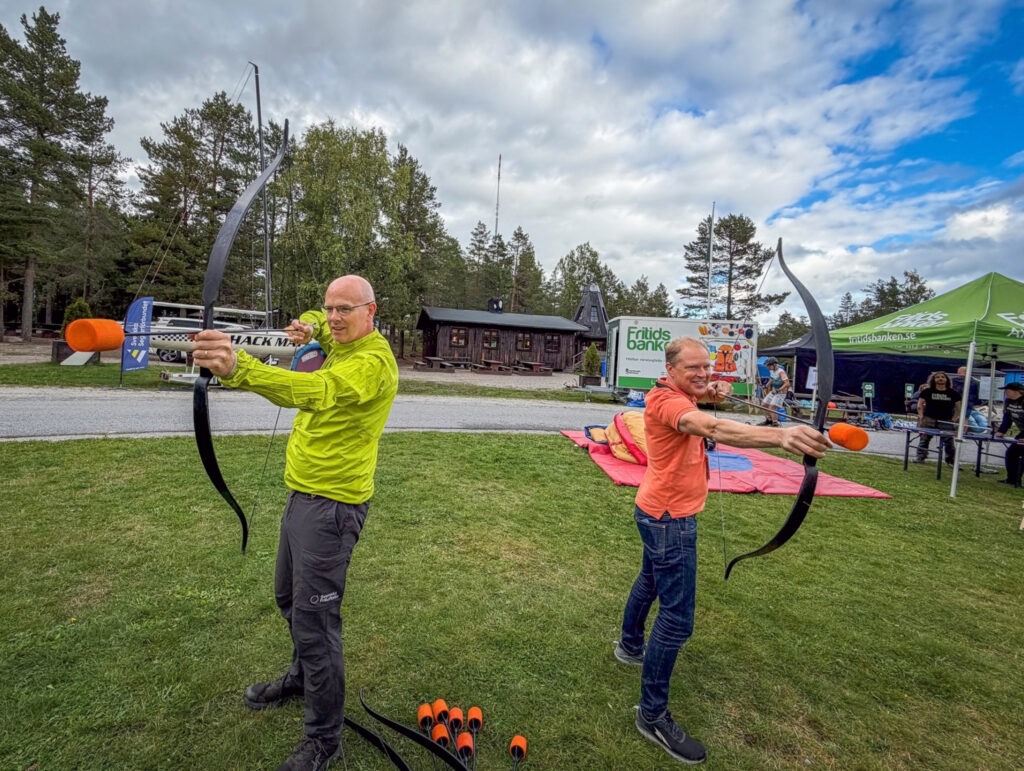
Throughout the three days, the programme deliberately alternated indoor discussions with outdoor activities and practical experiences around Södra Berget, enabling participants to discover Swedish friluftsliv while continuing conversations in a completely different environment.
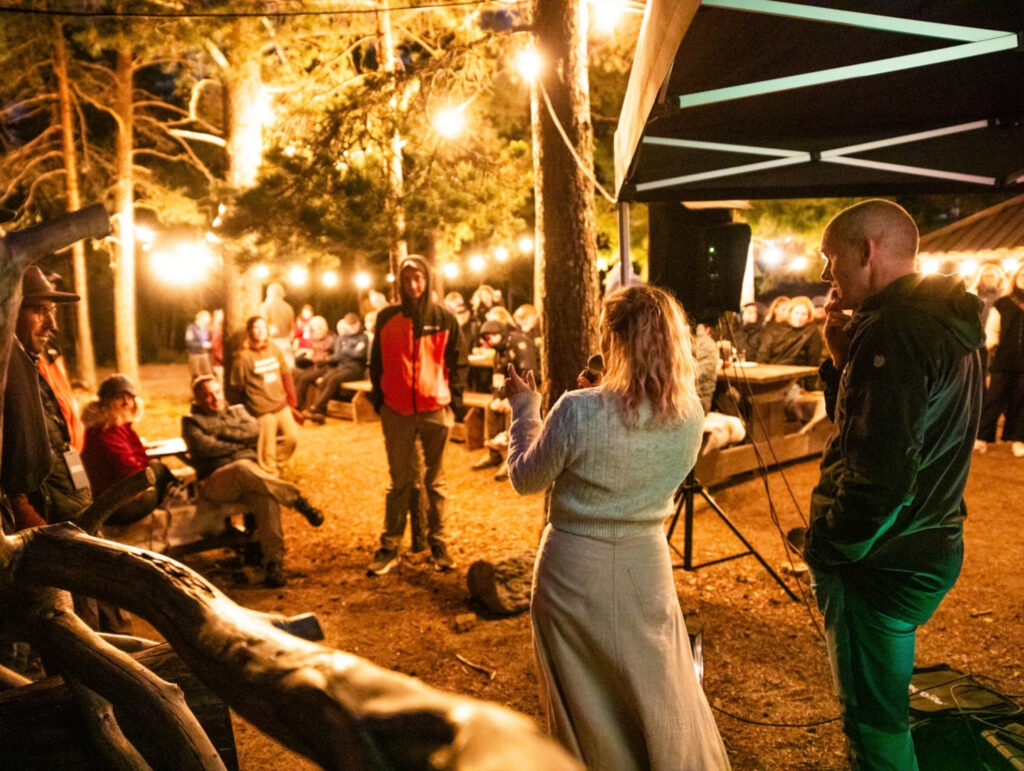
Morning activities, outdoor sessions and shared experiences created opportunities for movement, discovery and informal networking. Even before the official opening, participants were welcomed around the campfire during The First Spark, combining Swedish outdoor traditions, food, fire performances and conversation in nature.
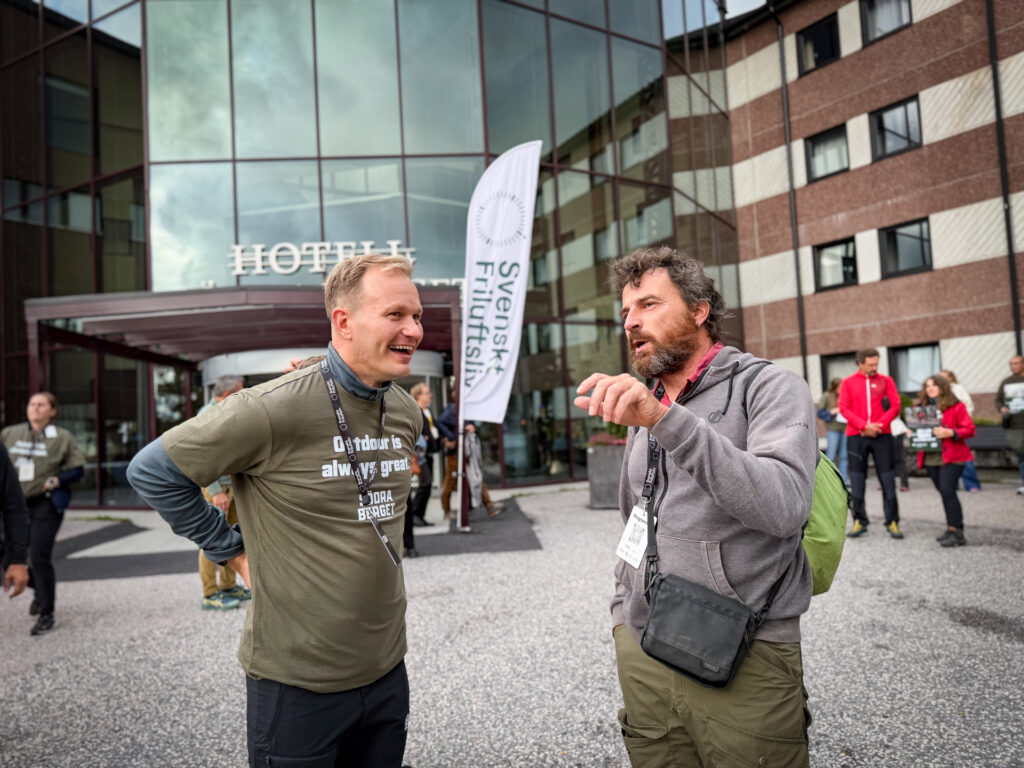
This combination of professional programme and shared outdoor experiences helped create what many participants identified as one of Euro’Meet’s strongest qualities: connections were not restricted to scheduled networking sessions. They happened during a workshop, around a coffee, on a trail, over dinner or while trying an outdoor activity together.
A participant reflection published following the conference similarly highlighted these informal encounters — conversations between programme sessions, shared activities and exchanges between people approaching similar challenges from very different contexts — as some of the most valuable parts of the event.
Celebrating the people behind the outdoor movement
The evenings also gave Euro’Meet another dimension.
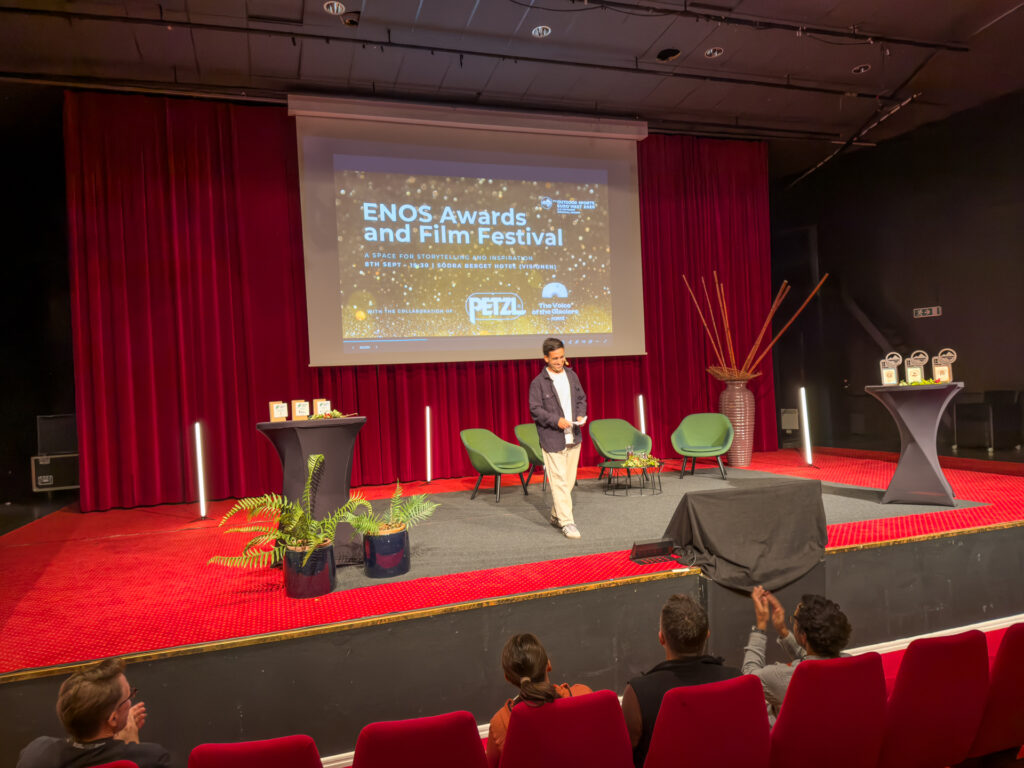
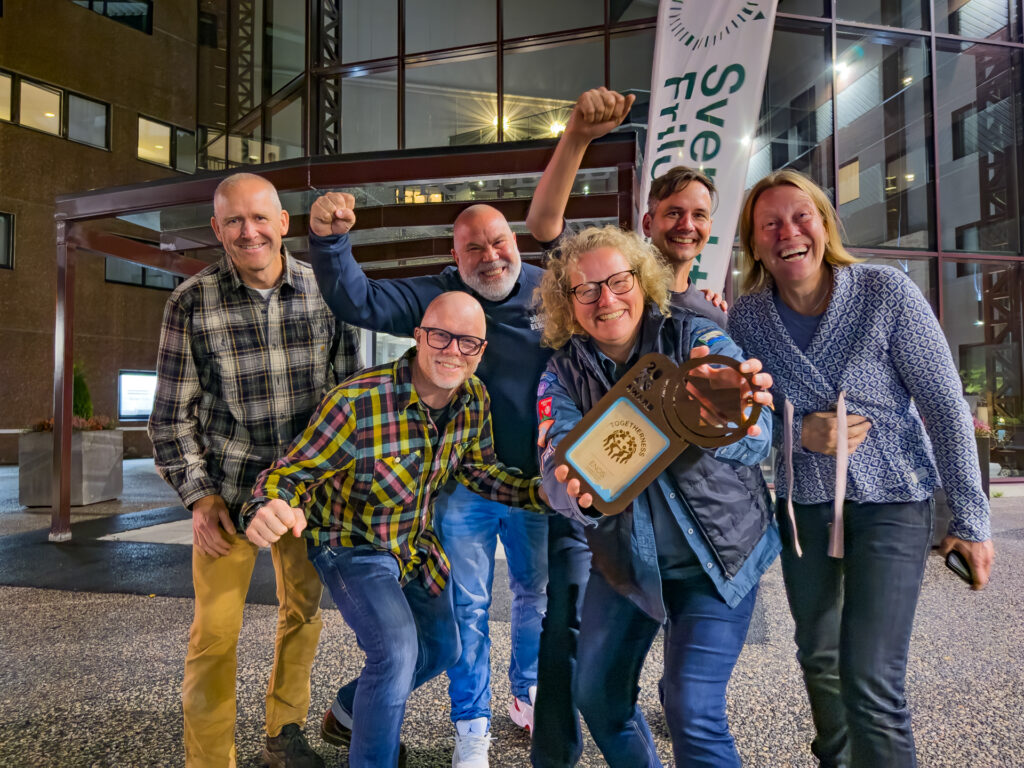
The ENOS Awards and Film Festival celebrated initiatives and inspiring stories from across the outdoor sector, combining recognition with storytelling and film. The following evening brought the community together again for the Euro’Meet dinner and party — an opportunity to celebrate not only the conference but the relationships behind a growing European outdoor network.
What do we take away from Sundsvall?
Euro’Meet 2026 provided no single answer to the challenges facing outdoor sports and recreation in Europe — nor was that its purpose.
Instead, it created a space for people working on these challenges from different perspectives to meet one another, challenge assumptions and identify opportunities to work together.
Among the ideas emerging repeatedly throughout the three days were:
- Outdoor recreation is more than time spent in nature. It is a powerful tool for healthier people, stronger communities and more resilient societies.
- Access to nature is not truly achieved until everyone feels that the outdoors is a place where they belong.
- The future of outdoor sports cannot be only about reducing our impact. It is also about asking how our activities can actively contribute to healthier landscapes, communities and ecosystems.
- The challenges facing nature and outdoor recreation cannot be solved by one sector alone. Progress begins when communities, researchers, public authorities, conservation actors and the outdoor movement work together.
From improving access to nature and making outdoor activities genuinely inclusive, to responding to climate change, strengthening civil society, supporting healthier communities and improving cooperation between outdoor recreation and nature conservation, the discussions in Sundsvall reflected an outdoor sector increasingly aware of both its opportunities and its responsibilities.
More than a conference
Perhaps the strongest measure of Euro’Meet’s success was not simply the number of sessions delivered, but the conversations, partnerships and ideas that participants took home with them.
Feedback shared immediately after the event described three highly intensive days filled with knowledge, inspiration and new relationships across the European outdoor community.
Euro’Meet has always been designed around dialogue rather than one-way communication. The 2026 edition showed once again what this means in practice: research meeting policy, projects meeting practitioners, European perspectives meeting local realities — and people meeting people.
Thank you, Sundsvall
An event of this scale is only possible through collaboration.
ENOS would like to warmly thank Svenskt Friluftsliv, Sundsvall Municipality, the County Administrative Board of Västernorrland, Mid Sweden University, the Euro’Meet Steering Committee, speakers, workshop leaders, poster presenters, volunteers, partners and everyone who contributed to making Euro’Meet 2026 possible.
And, above all, thank you to every participant who travelled to Sundsvall, contributed a perspective, asked a question, shared an experience and helped create the unique atmosphere of this edition.
Three days in Sweden may have come to an end.
The ideas, connections and collaborations that started there are only beginning.